

Google continues to reshape how we experience the digital world, especially through its cutting-edge AR and VR innovations. These advancements are redefining how people learn, work, explore, and connect online. Today, businesses, developers, and tech professionals are closely watching Google technology advancements such as Google Lens, ARCore, and ongoing VR research because of their massive potential to shift global digital engagement. To understand the scale and strategy behind these breakthroughs, explore the detailed insights provided in Google technology advancements.
How Google’s AR and VR Technologies Are Transforming Digital Interaction
Google’s vision for the future is centered on making digital experiences more intuitive, immersive, and intelligent. Through AR and VR, the company blends physical and virtual environments to create new ways for users to access information and interact with technology.
The Shift Toward Immersive Digital Experiences
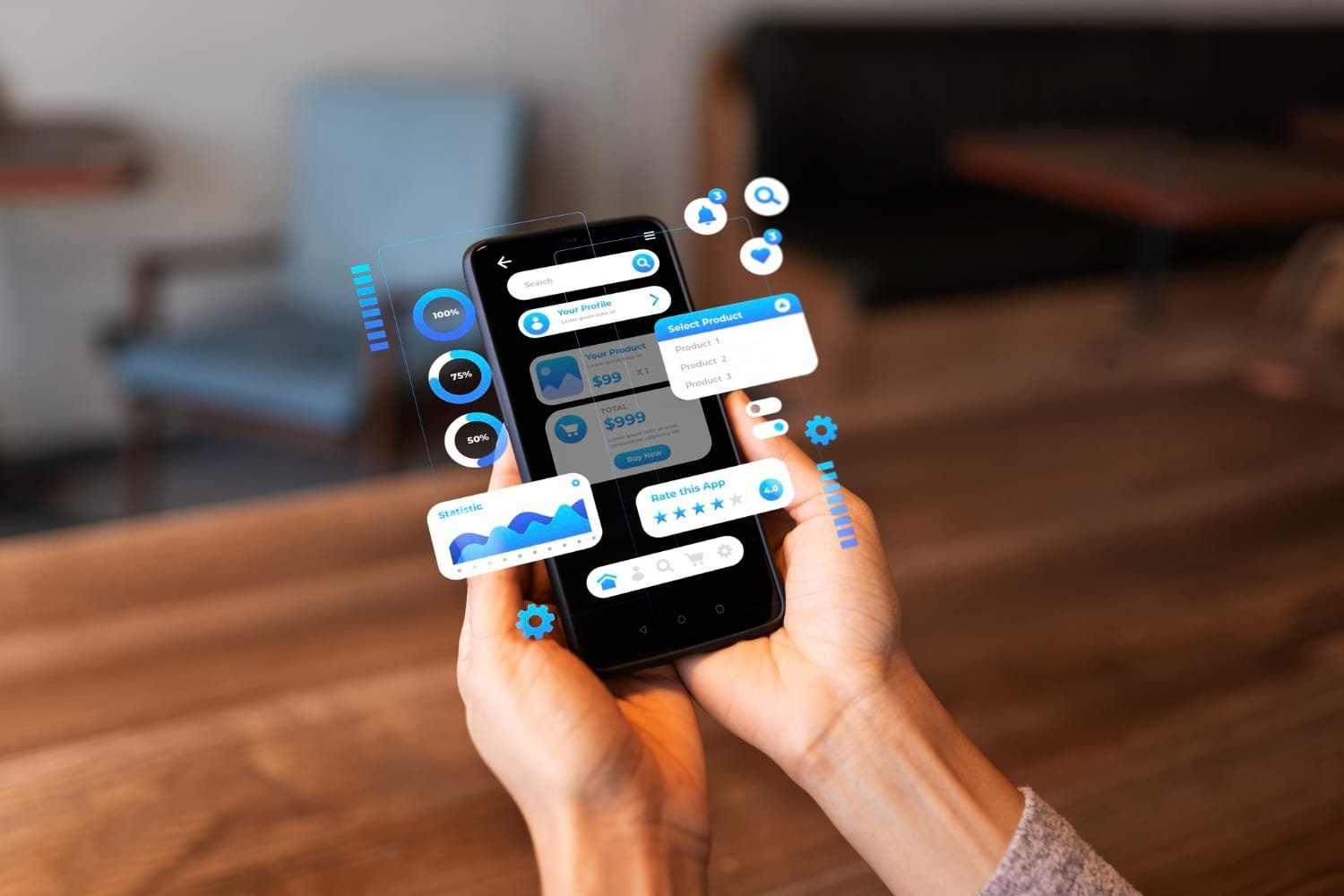
The demand for richer digital interactions is rising across industries—from education and healthcare to retail and entertainment. Google’s AR/VR tools bridge this gap with real-time information overlays, smart object recognition, and 3D environmental mapping. These technologies turn everyday tasks into immersive experiences, improving productivity and enhancing engagement.
Google ARCore: Reinventing How Users Experience the Real World
Google ARCore is one of the most significant innovations in augmented reality. It provides developers with the tools needed to create highly interactive AR experiences that blend seamlessly with the physical environment.
Key Features of ARCore
-
Motion Tracking: Helps virtual objects stay anchored to real-world spaces
-
Environmental Understanding: Detects surfaces like tables, walls, and floors
-
Light Estimation: Makes digital objects appear naturally integrated into their surroundings
-
Depth Recognition: Enables realistic interactions with 3D objects
These features allow developers to craft apps for navigation, gaming, virtual design, and real-time learning. The Primary Keyword, Google technology advancements, fits naturally here because ARCore represents one of the company’s most influential steps toward redefining digital ecosystems.
Google Lens: A Game-Changer in Visual Intelligence
Google Lens is arguably one of the most recognized AR tools used globally. With the ability to translate text, identify objects, scan products, and deliver contextual information instantly, it brings AR directly into everyday mobile use.
How Google Lens Enhances Digital Interaction
-
Instant Translation: Real-time AR text translation for travel and communication
-
Object Recognition: Identifies plants, animals, products, and landmarks
-
Smart Learning: Helps students and professionals access information instantly
-
Enhanced Shopping: Connects users to product details, reviews, and retailers
Google Lens highlights how AR is evolving from an experimental technology to a practical tool enhancing daily decision-making.
Google Maps Live View: Navigation Meets Augmented Reality
One of the most practical uses of AR is found in Google Maps’ Live View, which overlays directional arrows and street information onto the real world through a smartphone camera.
What Makes Live View Revolutionary?
-
Provides precise visual navigation in complex urban areas
-
Reduces confusion by merging digital directions with real-world visuals
-
Enhances safety by minimizing distractions
-
Supports improved travel experiences for tourists and commuters
This technology is a prime example of how Google technology advancements improve real-world interactions by merging digital intelligence with everyday environments.
Google’s VR Vision: Building the Pathway to Virtual Worlds
While Google has shifted its focus from consumer VR headsets, its software investments in VR remain strong. Platforms like Google Earth VR, YouTube VR, and WebXR tools continue to shape how VR experiences are developed and consumed.
Key VR Contributions from Google
-
Google Earth VR: Enables virtual exploration of cities, landscapes, and landmarks
-
YouTube VR: Delivers immersive 360° video and virtual experiences
-
WebXR Development Tools: Helps developers create browser-based AR/VR experiences
Google’s research into spatial computing, immersive education, and virtual collaboration hints at major VR innovation on the horizon.
Industry Impact: How Google’s AR and VR Technologies Are Shaping the Future
Google’s AR and VR breakthroughs are opening doors across multiple industries:
1. Education & Training
Immersive learning environments make lessons interactive and memorable.
2. Healthcare
AR supports diagnostics, remote assistance, and enhanced patient care.
3. Retail & E-Commerce
Virtual try-ons, product visualization, and AR-enabled shopping improve customer experience.
4. Engineering & Architecture
Professionals can visualize models, designs, and spatial layouts in real-world settings.
5. Marketing & Advertising
AR-driven campaigns offer engaging, personalized digital experiences.
These examples show how Google continues to empower industries through innovation that bridges physical and digital boundaries.
Why Google Leads the Future of AR and VR Innovation
Google’s continuous research, massive R&D investment, and commitment to open-source collaboration keep it ahead in the global innovation race. By strengthening its AR and VR ecosystems, Google is pushing the world toward a more interactive, intelligent, and immersive digital future.
Conclusion
Google’s AR and VR initiatives mark a pivotal evolution in digital interaction. From ARCore’s immersive capabilities to Lens’s visual intelligence and VR’s potential for virtual exploration, Google is building the foundation for next-generation user experiences. As these technologies continue to expand, they will influence how people work, learn, shop, and engage with digital environments.
If you’re passionate about understanding how such innovations shape the technology world and want to explore more industry insights, visit the Sprintzeal About Us page to discover programs that help professionals stay ahead of emerging digital trends.