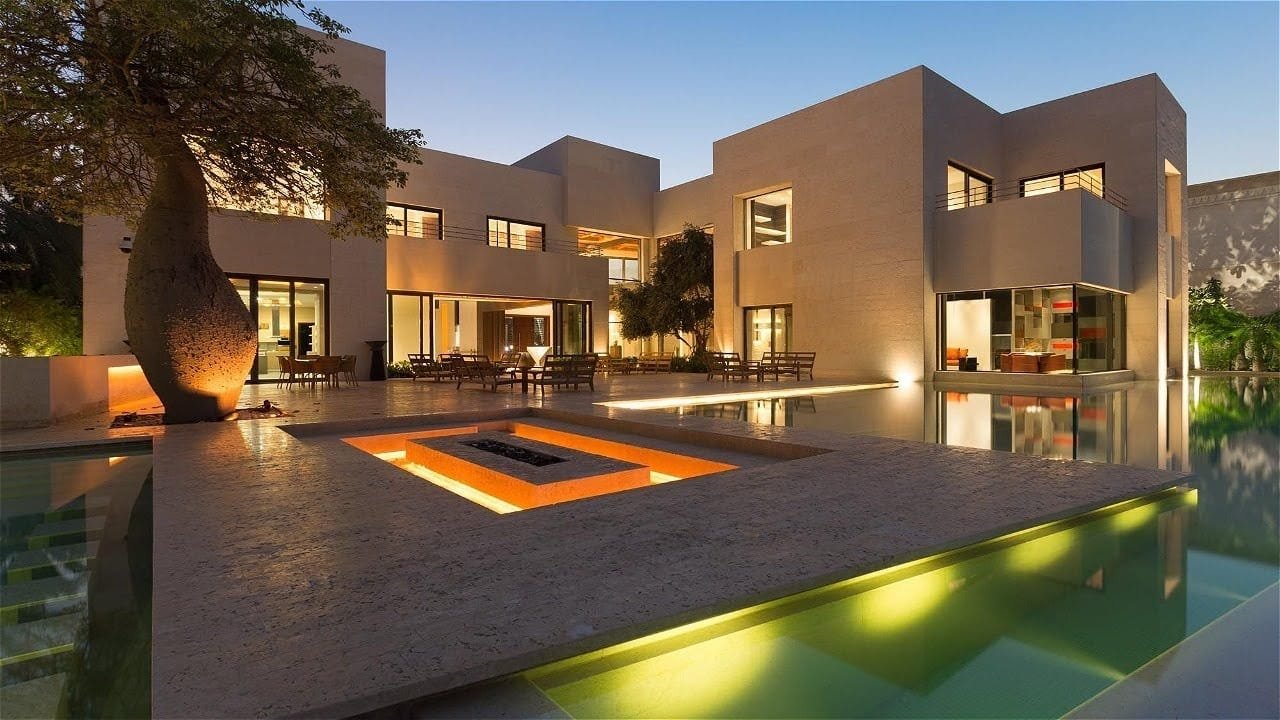

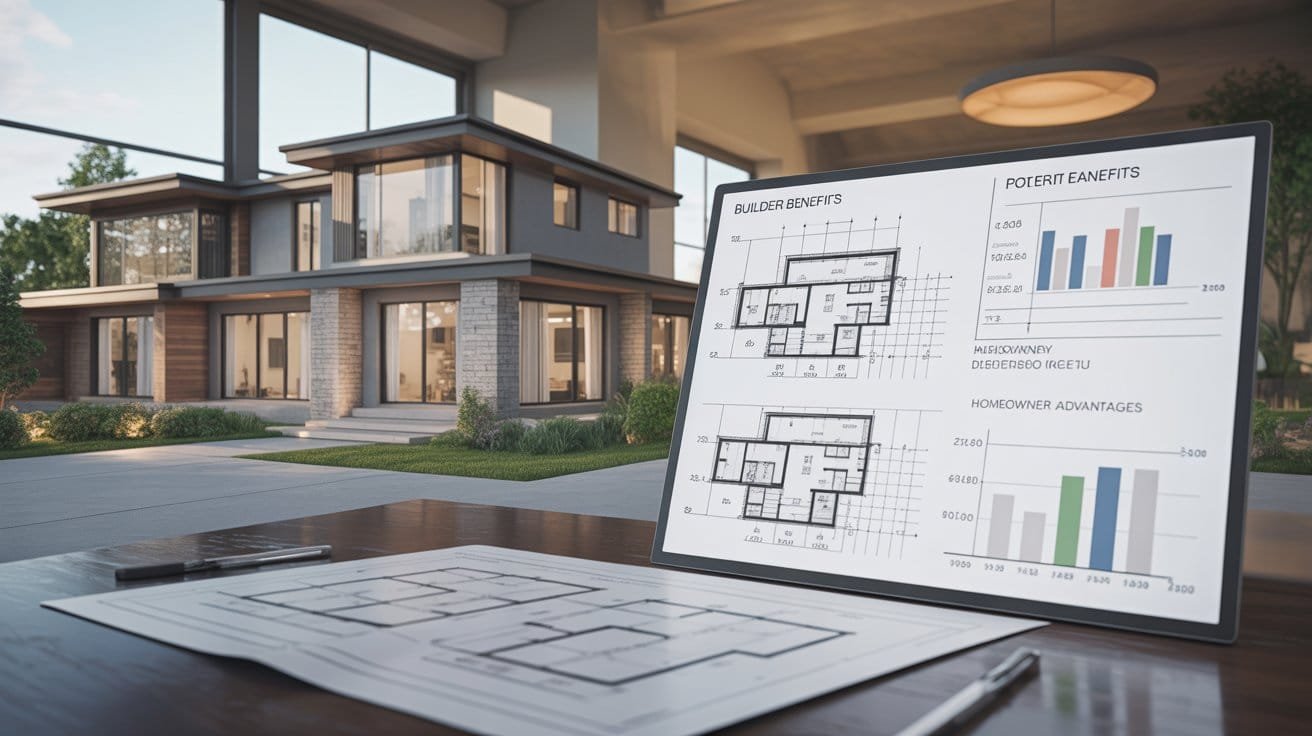
Imagine being able to walk around your dream home or commercial building before a single brick is laid. You can see the windows, walls, and rooflines in precise detail, check how sunlight falls on different areas, and explore design changes in real time—all from your screen. This is the magic of 3D design rendering.
For architects, builders, and homeowners alike, 3D visualization has become an indispensable tool. It bridges the gap between imagination and reality, allowing designers to communicate ideas clearly, builders to plan efficiently, and homeowners to experience their dream property long before construction begins.
In this guide, we’ll explore why 3D design rendering matters, how it works, and the tangible benefits it provides to every stakeholder involved in a building project.
What is 3D Design Rendering?
At its core, 3D design rendering is the creation of realistic digital images or animations of a building’s exterior and interior. Unlike traditional 2D plans or sketches, 3D visualization provides a lifelike perspective of the project.
Modern architectural software enables designers to simulate:
-
Materials and textures like glass, wood, stone, and metal
-
Lighting, shadows, and reflections
-
Surrounding landscape and environmental context
-
Interactive walkthroughs and immersive experiences
With photorealistic 3D renders, clients, builders, and stakeholders can explore every corner of a building, making design decisions informed and precise. It transforms abstract ideas into tangible visual experiences.
Why 3D Design Rendering Matters
3D design rendering is far more than just a visual tool—it impacts architecture, construction, and client experience in multiple ways:
1. Helps Architects Communicate Ideas
Architects often face challenges explaining complex designs to clients using only 2D drawings. 3D visualization allows them to present every detail clearly. Walkthroughs, multiple angles, and photorealistic images make discussions smoother, reduce misunderstandings, and ensure client expectations align with the final design.
2. Enables Builders to Plan Efficiently
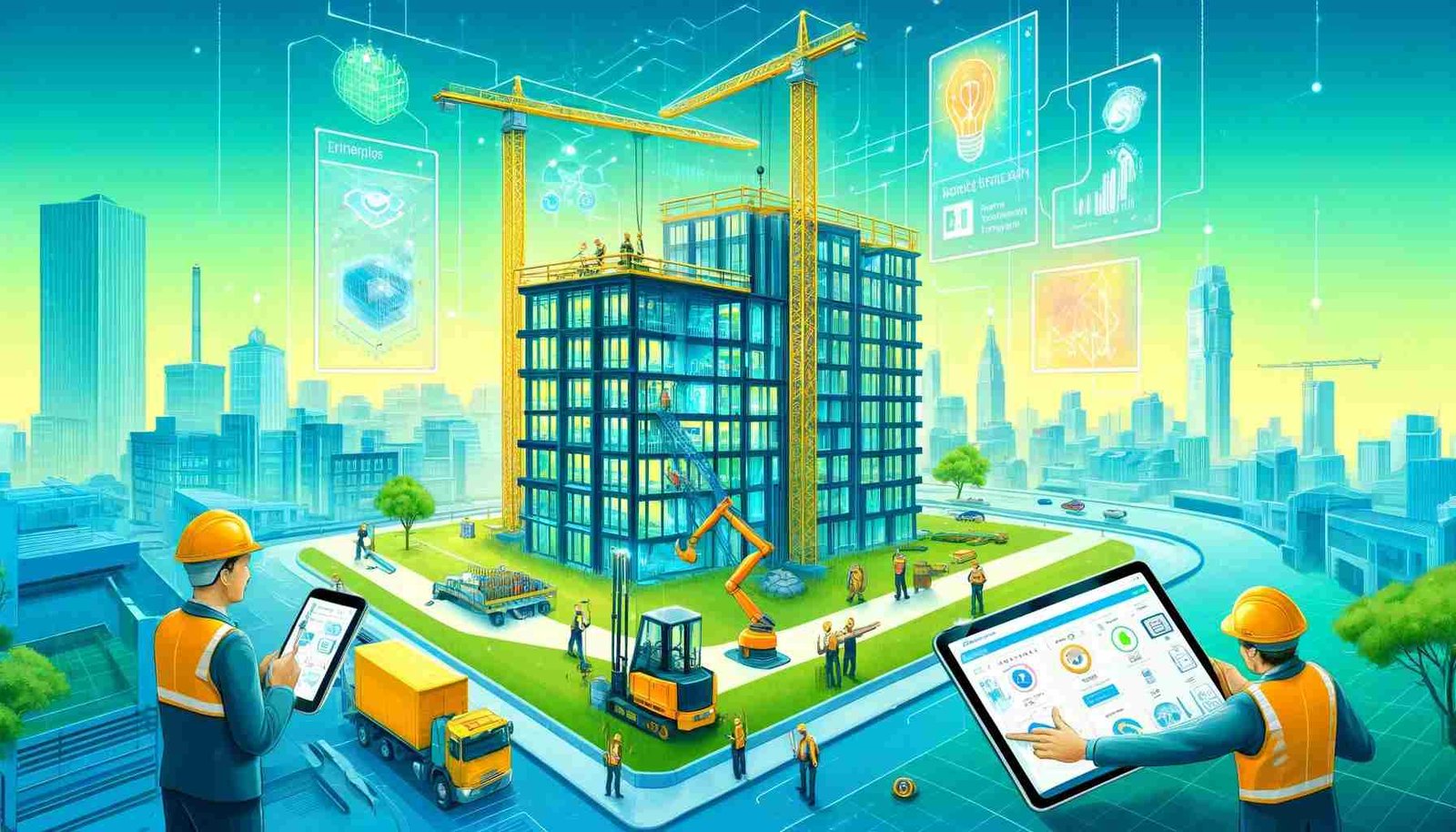
For builders, planning construction becomes easier with accurate 3D renders. Knowing dimensions, material requirements, and layout in advance can prevent costly mistakes, save time, and streamline the workflow. Potential issues can be identified before construction begins, avoiding delays and budget overruns.
3. Lets Homeowners Experience Their Future Property
For homeowners, 3D design rendering is a way to “step inside” their future home virtually. They can experiment with paint colors, facade finishes, window placements, and landscaping. The ability to visualize changes before implementation helps ensure satisfaction and confidence in design decisions.
4. Boosts Marketing and Pre-Sales
For developers, 3D renders serve as compelling marketing tools. Stunning visuals can attract buyers and investors before the building exists. Immersive 3D walkthroughs and photorealistic images showcase the lifestyle, aesthetics, and value of a property far more effectively than sketches or photos alone.
5. Enhances Collaboration
Construction projects involve multiple stakeholders—architects, engineers, interior designers, and marketing teams. 3D visualization provides a shared reference, ensuring that everyone is aligned, reducing miscommunication, and accelerating decision-making.
How 3D Design Rendering Works
Creating accurate 3D renders is a detailed process:
-
Collecting Inputs
Architects provide floor plans, elevations, material references, and site photos to ensure context and accuracy. -
3D Modeling
Using specialized software, designers build a detailed digital model of the building, including walls, roofs, windows, doors, and outdoor elements. -
Material and Texture Application
Realistic materials such as stone, wood, and glass are applied digitally. Shadows, reflections, and surface finishes are simulated to achieve photorealism. -
Lighting and Environmental Simulation
Sunlight, shadows, reflections, and surrounding environment elements like trees, neighboring buildings, and terrain are added to create realistic context. -
Rendering and Visualization
The model is processed into high-resolution images, animations, or interactive 3D walkthroughs. Advanced studios can even produce VR experiences for immersive exploration. -
Feedback and Revisions
Clients review renders and suggest changes. Adjustments to materials, colors, or layouts are made until the final visualization meets expectations.
Benefits of 3D Design Rendering
Beyond aesthetics, 3D visualization provides practical advantages:
-
Better Decision-Making: Compare different materials, layouts, and design options instantly.
-
Cost Efficiency: Detect design conflicts or errors early, reducing construction costs.
-
Faster Approvals: Planning authorities and clients can understand the project clearly.
-
Marketing Edge: High-quality renders generate interest and pre-sales.
-
Immersive Experience: VR and interactive walkthroughs allow stakeholders to experience the property realistically.
FAQs
Q1: Who benefits most from 3D design rendering?
Architects, builders, developers, and homeowners—all gain insights and clarity before construction begins.
Q2: How long does it take to create a 3D render?
Simple residential projects can take a few days, while complex commercial buildings or animated walkthroughs may take several weeks.
Q3: Is 3D visualization expensive?
Costs vary by project complexity. Simple renders are affordable, while detailed animations or VR walkthroughs cost more.
Q4: Can changes be made after the render is created?
Absolutely. Clients can request modifications to materials, colors, layouts, or other design elements during the revision stage.
Q5: How realistic are modern 3D renders?
Highly realistic. Photorealistic textures, accurate lighting, and environmental context make renders appear almost identical to the finished building.
Real-Life Applications
-
Residential Homes: Homeowners can visualize roof styles, exterior finishes, and landscaping options.
-
Commercial Buildings: Developers can showcase office or retail spaces to investors before construction.
-
Urban Planning: Cities simulate how new buildings will integrate with the neighborhood, considering sunlight, traffic, and aesthetics.
These examples show how 3D design rendering is versatile, practical, and increasingly essential in modern architecture.
Conclusion
3D design rendering is no longer just a luxury; it’s a critical tool for architects, builders, and homeowners. By turning abstract blueprints into photorealistic, immersive visuals, it helps stakeholders make better decisions, reduces construction errors, improves collaboration, and even boosts marketing efforts.
Whether you’re planning your dream home, designing a commercial property, or managing a real estate project, 3D visualization allows you to see, experience, and refine your design before construction begins. It bridges imagination and reality, ensuring that the final result matches the original vision.
Embracing 3D design rendering means making confident, informed, and visually-driven decisions—long before the first brick is laid.
✅ Word count: ~1,330 words