
Eye health is something many people think about only when a problem appears. One such condition that often surprises patients is lattice degeneration. It does not always cause symptoms, yet it can increase the risk of a retinal tear or retinal detachment. Because of this risk, many specialists recommend Lattice Degeneration Laser Treatment in certain cases to protect the eye and prevent future complications.
This article explains everything in very clear, simple language—what lattice degeneration is, why it happens, how laser treatment works, and what you can expect before and after the procedure.
What Is Lattice Degeneration?
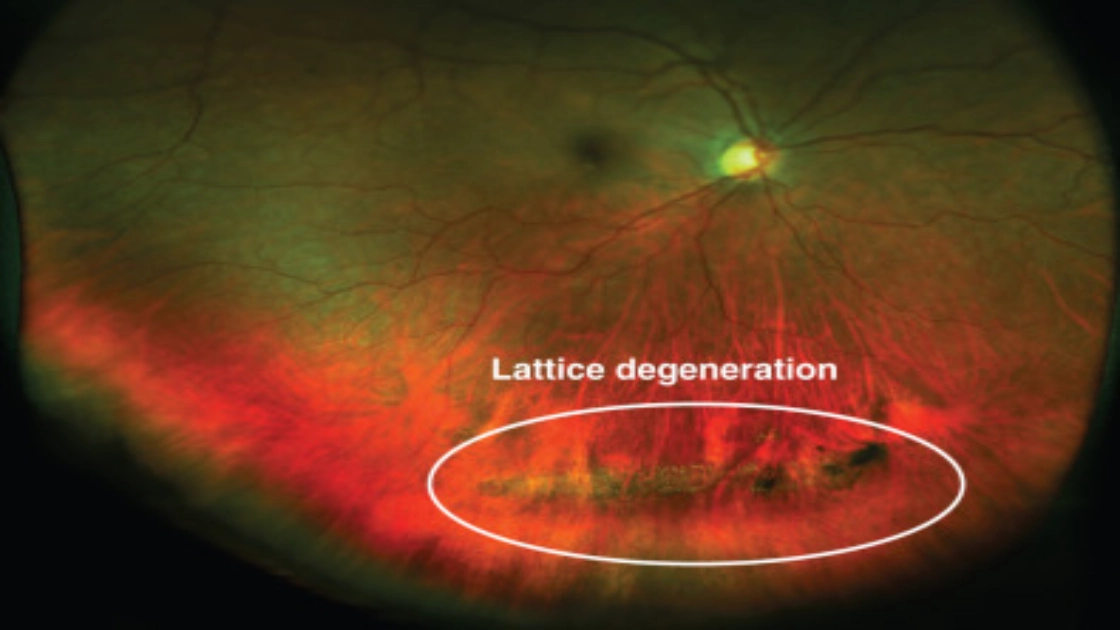
Lattice degeneration is a thinning of the retina. The retina is the thin, sensitive layer at the back of the eye that helps us see. When the retina becomes weak in certain areas, those weak patches form a pattern that looks like a lattice or net—this is how the condition got its name.
Here is what happens:
-
Small parts of the retina become thin and stretched
-
The tissue in those areas loses strength
-
The shape often looks long, narrow, and slightly oval
-
Blood vessels inside these areas may appear straightened
-
The retina may stick more tightly in some points around the lattice
While lattice degeneration itself does not cause blindness, it can increase the chance of a retinal tear. One small tear can allow fluid to enter behind the retina, eventually leading to a retinal detachment—which is a medical emergency.
Why Does Lattice Degeneration Happen?
Doctors are not always able to identify a single cause, but certain factors increase the risk. These include:
1. Nearsightedness (Myopia)
People with moderate to severe myopia have longer eyeballs than usual. This stretching can make the retina thinner, increasing the chances of lattice degeneration.
2. Family History
It can run in families. If parents or siblings have it, others may also develop it.
3. Aging
As people age, changes in the vitreous gel (the jelly-like material in the eye) can pull on the retina, making weak spots more noticeable.
4. Genetic Factors
Some people are simply born with more fragile retinal tissue.
5. Eye Injuries
Previous trauma or surgery may make some areas of the retina more susceptible.
Common Symptoms of Lattice Degeneration
Many people with lattice degeneration have no symptoms at all. This is why regular eye checkups are important. However, if symptoms do appear, they may include:
-
Flashes of light
-
Sudden increase in floaters
-
A shadow or curtain moving across your vision (a warning sign of detachment)
-
Blurred or distorted vision
If you ever notice sudden floaters or flashes, you should visit an eye specialist immediately.
How Lattice Degeneration Is Diagnosed
Eye doctors diagnose this condition during a detailed eye examination. The most common steps include:
1. Pupil Dilation
Special drops help widen the pupil so the doctor can see the retina clearly.
2. Retinal Evaluation
Using a bright light and lens, the doctor closely examines the inner eye.
3. Imaging Tests
Some clinics use imaging tools to document the weak areas and monitor changes over time.
Diagnosis is usually quick and painless.
When Is Lattice Degeneration Laser Treatment Recommended?
Not everyone with lattice degeneration needs treatment. Many people live their entire lives without any major issue. However, laser treatment becomes necessary when certain risk factors are present.
Doctors may recommend treatment if:
-
You already had a retinal detachment in one eye
-
You show signs of a retinal tear
-
You have very high myopia
-
Your lattice areas are large or have holes
-
You have symptoms like flashes or floaters
-
Your job or lifestyle carries a higher risk of eye injury
-
There is strong traction between the vitreous and the retina
-
You are about to undergo eye surgery such as cataract surgery
The goal of treatment is prevention. Stopping a detachment before it happens is always easier and safer than repairing one afterward.
What Is Lattice Degeneration Laser Treatment?
Lattice Degeneration Laser Treatment is a procedure that uses targeted laser energy to strengthen and secure the weak areas of the retina. The laser creates tiny burns around the lattice patches. These micro-burns then form a scar that works like a barrier or “seal,” preventing fluid from entering or spreading beneath the retina.
This reduces the risk of a retinal tear or retinal detachment in the future.
How the Laser Treatment Works (Step-by-Step)
Although the word “laser” may sound intimidating, the procedure is simple, quick, and generally comfortable. Here is how it usually happens:
1. Eye Numbing
The doctor places numbing drops in the eye. These drops prevent pain and make you feel at ease.
2. Special Contact Lens Placement
A small lens is placed on your eye to help guide the laser beam accurately.
3. Laser Application
The doctor applies small laser spots around the weak areas. You may see bright flashes of light, but these are not usually painful.
4. Procedure Time
The entire process usually takes between 10 and 20 minutes.
5. Post-Procedure Check
The doctor checks your retina again to ensure everything looks stable.
There is no cutting, stitching, or bleeding. Most people return home right after the treatment.
Benefits of Lattice Degeneration Laser Treatment
This preventive treatment offers several important advantages:
1. Prevents Retinal Detachment
The main benefit is reducing your risk of detachment, which can protect vision long-term.
2. Strengthens Weak Retina Areas
The laser creates a strong bond between the retina and eye wall.
3. Quick and Simple
The treatment is fast and usually completed in one session.
4. Minimally Invasive
No surgery, no incisions, and no hospital stay.
5. Little Downtime
Most people return to normal activities the next day, depending on the doctor’s advice.
6. Long-Lasting Protection
Once the scar forms, it serves as a stable barrier for many years.
Possible Risks or Side Effects
Like any medical procedure, there can be some risks. Most side effects are mild and temporary. They may include:
-
Mild discomfort or irritation
-
Blurry vision for a few hours
-
Light sensitivity
-
Slight headaches
-
Small increase in floaters
Rare but more serious risks include:
-
Swelling in the retina
-
Inflammation
-
A new tear near the treated area
Your doctor will monitor your condition to ensure everything heals correctly.
What to Expect After the Treatment
1. Vision May Be Blurry for a Few Hours
This is normal and happens due to the bright laser lights and numbing drops.
2. Avoid Heavy Exercise
Doctors usually advise avoiding intense physical activity for a few days.
3. Follow-Up Appointments
You may need one or more follow-up visits so the doctor can confirm that the laser scars have formed correctly.
4. Use Eye Drops if Prescribed
Some doctors give anti-inflammatory eye drops to reduce irritation and help healing.
5. Watch for Warning Signs
If you see new floaters, flashes, or vision loss, contact your doctor immediately.
Who Is a Good Candidate for Laser Treatment?
Laser treatment is ideal for patients who:
-
Have lattice degeneration with holes
-
Have a history of retinal detachment
-
Are highly nearsighted
-
Experience frequent flashes or floaters
-
Have family history of retinal problems
-
Have jobs that risk eye injury (sports, heavy machinery, etc.)
-
Need eye surgery that may increase detachment risk
Your eye doctor will evaluate your retina and guide you on whether treatment is right for you.
Is the Treatment Painful?
Most people feel no pain because numbing drops are used. Some may feel slight pressure or warmth. The bright flashes can be surprising, but they are not harmful.
The discomfort level is usually very low.
How Long Does Recovery Take?
Recovery is normally short. Most people return to daily activities within 24 hours. The laser scars take around two weeks to form fully. During this time, you may be advised to avoid:
-
Contact sports
-
High-intensity exercise
-
Heavy lifting
-
Activities that shake or strain the eyes
Following these instructions helps ensure proper healing.
Living With Lattice Degeneration After Treatment
Even after successful treatment, you should still:
-
Attend regular eye checkups
-
Inform your eye doctor about any new symptoms
-
Protect your eyes from injury
-
Manage medical conditions like diabetes or high myopia
-
Follow your doctor’s preventive advice
Laser treatment reduces the risk of detachment but does not remove it completely. Staying alert and maintaining regular care is essential.
Frequently Asked Questions
1. Can lattice degeneration go away by itself?
No, it does not go away. But many people live with it without any serious problems.
2. Does everyone with lattice degeneration need laser treatment?
No. Only people with certain risk factors or symptoms need laser treatment.
3. How long does the laser effect last?
The strengthening effect is long-lasting because the scars remain stable for many years.
4. Can the condition lead to blindness?
Lattice degeneration alone does not cause blindness, but a retinal tear or detachment can. That is why preventive laser treatment is sometimes recommended.
5. Is it safe?
Yes, it is considered a very safe procedure when performed by an experienced eye specialist.
6. Can I drive home afterward?
Vision may be blurry. It is better to have someone accompany you.
Conclusion
Lattice degeneration is a common eye condition that weakens certain areas of the retina. While it may not cause symptoms in many people, it increases the risk of retinal tears and detachment. Lattice Degeneration Laser Treatment is a preventive procedure designed to strengthen the retina and protect long-term vision. It is quick, simple, and minimally invasive, making it a safe choice for many patients who are at higher risk.
If you have been diagnosed with lattice degeneration or are experiencing floaters and flashes, seeking guidance from an experienced eye specialist such as Dr. Mandeep Lamba can help you understand whether laser treatment is right for you. Getting timely care can protect your eyesight and give you peace of mind for the future.