
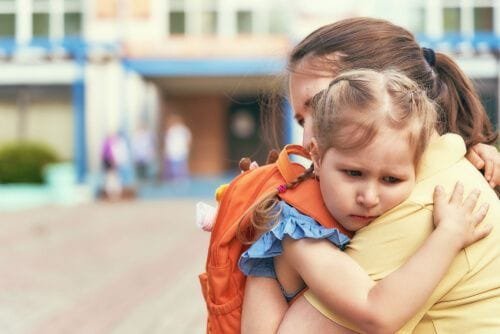
Daily goodbyes sound simple until they are not. One moment you are packing a bag, the next moment tears appear, arms cling tighter, and the day starts with stress. Many parents quietly struggle with Child’s separation anxiety, especially during preschool years. It can feel personal even when it is not. I have seen how Child’s separation anxiety shows up in very small ways and also in loud, emotional ones. The good news is that daily goodbyes can become gentler with patience, awareness, and a little trial and error.
Understanding What Is Really Happening
Child’s separation anxiety is not about manipulation or bad habits. It is often connected to parenting anxiety and how safe a child feels when routines change. Children depend deeply on familiar faces, predictable days, and steady responses. When those things shift, separation of anxiety naturally appears.
In many homes, Child’s separation anxiety is strongest in the morning. A child may worry about being left behind or forgotten. This can affect social development and early social interactions if not handled with care. Parents also feel it, because parenting anxiety grows when a child is hurting.
Why Daily Goodbyes Feel So Big
Daily goodbyes repeat again and again. That repetition can make Child’s separation anxiety feel heavier each time. A rushed goodbye or emotional reaction can unintentionally increase separation of anxiety. Children read body language fast. If they sense worry, parenting anxiety transfers quietly.
Preschool settings add another layer. New rooms, new voices, and unfamiliar social interactions challenge confidence. This is where play based preschool environments help. Play creates comfort and supports social development while giving space for self healing to begin naturally.
Gentle Ways to Ease the Goodbye
Build a Predictable Goodbye Ritual
Consistency matters more than long explanations. A simple hug, a short phrase, and a calm exit helps Child’s separation anxiety over time. Keep the routine the same even when emotions change. Predictability reduces separation of anxiety and lowers parenting anxiety as well.
Children feel safer when they know what happens next. This supports self healing without pressure.
Keep Goodbyes Short and Honest
Lingering can increase Child’s separation anxiety even though it feels caring. A calm goodbye tells the child that the situation is safe. Over time, separation of anxiety softens. Confidence grows, and social development improves naturally.
Avoid sudden disappearances. Trust builds when honesty is present. Trust helps to calm anxiety in both child and parent.
Use Familiar Activities After Drop Off
Teachers often use activities for preschoolers right after arrival. These activities distract gently and invite connection. Coloring, building blocks, or role play support social interactions while easing Child’s separation anxiety.
When children associate arrival with comfort, separation of anxiety loses its power. Familiar activities for preschoolers also encourage self healing through repetition and play.
Supporting Emotional Growth at Home
Talk About Feelings Without Fixing Them
Children need space to express fear. Listening without rushing solutions helps Child’s separation anxiety feel understood. This reduces parenting anxiety because pressure to fix everything slowly fades.
Simple conversations support self healing and strengthen emotional awareness. This also prepares children for healthy social interactions later.
Practice Short Separations
Short separations at home can prepare children for longer ones. Stepping into another room, then returning, builds trust. These moments quietly reduce separation of anxiety and strengthen independence.
With time, Child’s separation anxiety becomes manageable. Confidence grows without force.
Encourage Play That Builds Confidence
Play is powerful. Especially in a play based preschool, play supports social development and emotional safety. At home, pretend games, storytelling, and group play help children rehearse separation safely.
These playful moments help to calm anxiety and encourage self healing without pressure or expectations.
When Progress Feels Slow
Some days will still feel heavy. Child’s separation anxiety does not disappear overnight. Growth looks uneven and sometimes confusing. This is normal. Parenting anxiety may rise during setbacks, but progress is still happening quietly.
Strong routines, calm responses, and supportive environments slowly reshape emotional habits. Separation of anxiety becomes less intense as trust grows.
The Role of Social Connection
Healthy social interactions play a big role in easing Child’s separation anxiety. When children form bonds with teachers and peers, they feel less alone. This supports social development and emotional security.
Friendships help to calm anxiety and build resilience over time.
A Gentle Ending Thought
Daily goodbyes will not always be perfect. Some days tears still happen. That does not mean failure. Child’s separation anxiety is a phase rooted in attachment, not weakness. With steady routines, supportive play, and emotional honesty, children slowly learn safety in separation.
Trust the process. Self healing often happens quietly, hidden inside small wins. Over time, Child’s separation anxiety softens, confidence grows, and goodbyes become just another part of the day.