
Artificial Intelligence has moved beyond experimentation and become a core component of digital product design. As we step into 2026, AI-driven UI/UX design is no longer about efficiency alone—it is about delivering deeply personalized, adaptive, and human-centered digital experiences. From intelligent interfaces to predictive user journeys, AI is redefining how users interact with modern products.
In 2026, successful digital experiences are built at the intersection of creativity, data, and intelligent automation—making AI an indispensable partner in UI/UX design.
Redefining UI vs UX with Intelligent Design Systems
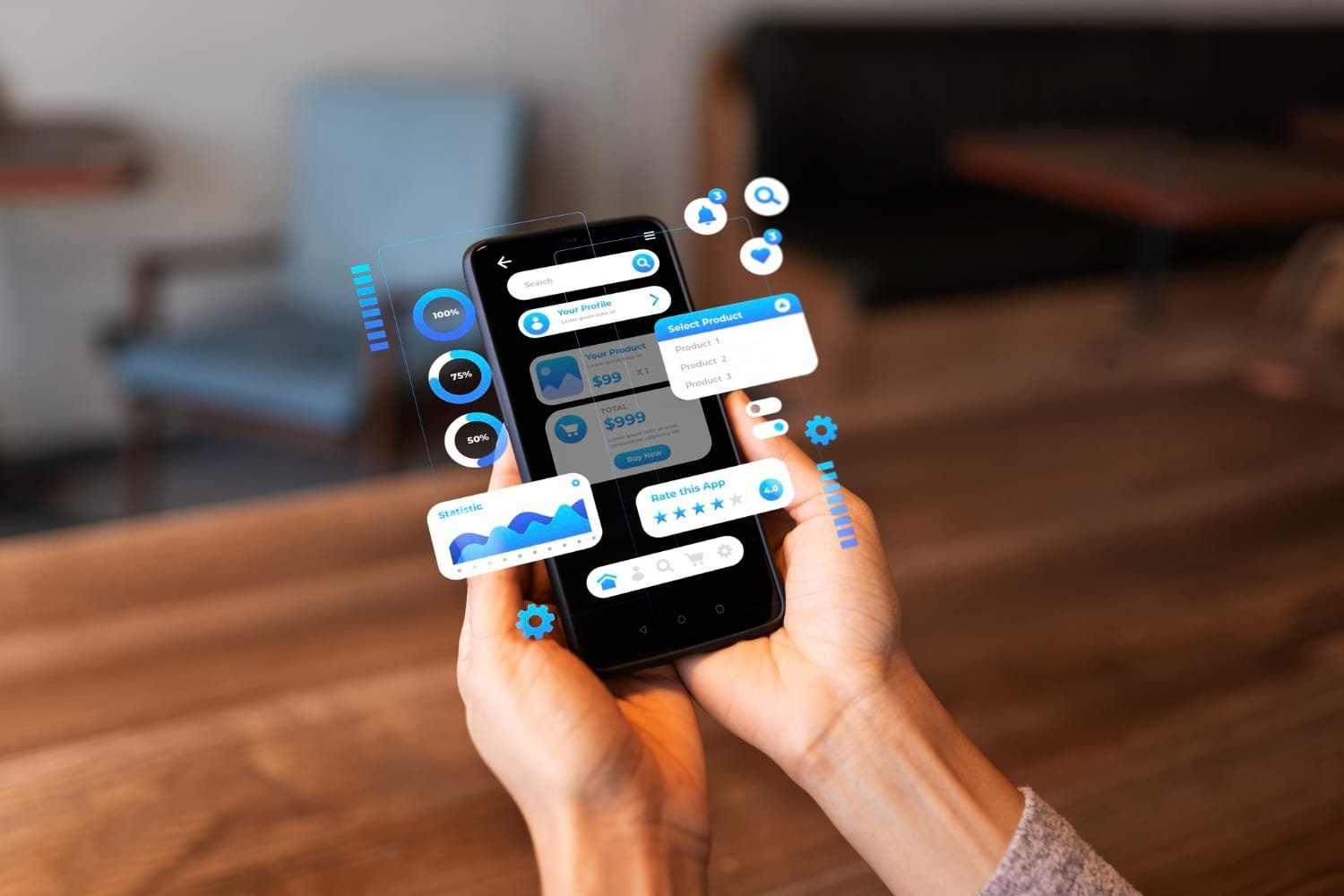
The distinction between UI vs UX remains foundational, but AI has blurred traditional boundaries. User Interface design now adapts in real time, while User Experience design is increasingly predictive rather than reactive.
AI systems analyze behavioral signals—scroll depth, dwell time, navigation patterns—to dynamically refine both UI elements and UX flows. In 2026, design systems are no longer static libraries; they are intelligent ecosystems that evolve with user behavior.
Evolving Principles of Visual Design in the AI Era
Timeless principles of visual design such as hierarchy, contrast, consistency, and balance remain essential in 2026. However, AI has transformed how these principles are applied at scale.
Modern AI-assisted tools automatically optimize layouts for accessibility, readability, and device responsiveness. They also ensure visual consistency across platforms by learning from past design decisions. This allows designers to maintain brand integrity while delivering tailored experiences to diverse user segments.
Next-Gen Wireframe Examples Powered by AI
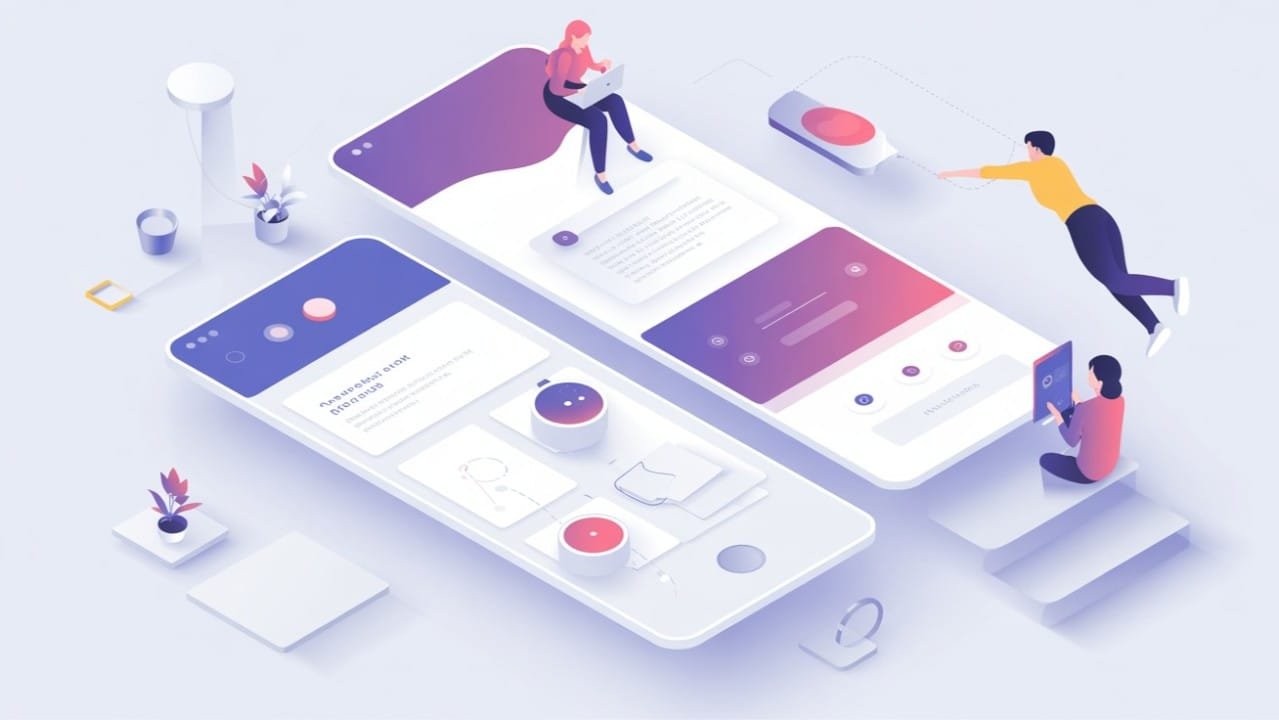
In 2026, AI-generated wireframe examples have evolved into adaptive blueprints rather than static sketches. Instead of creating multiple versions manually, designers now work with AI systems that generate and refine wireframes based on user intent and contextual data.
These intelligent wireframes:
-
Adjust layouts according to user goals
-
Predict friction points before development begins
-
Enable faster validation through data-backed design choices
As a result, teams can move from concept to production with greater speed and confidence.
Web Design Trends Defining Digital Products in 2026
Several web design trends in 2026 are directly influenced by AI’s growing capabilities. Key trends shaping digital experiences include:
-
Adaptive interfaces that evolve based on user behavior
-
AI-driven personalization across content and navigation
-
Conversational and multimodal UI, integrating voice and text
-
Accessibility-first design, enhanced by real-time AI audits
These trends reflect a shift toward experiences that feel intuitive, inclusive, and context-aware rather than one-size-fits-all.
How AI-Driven UI/UX Design Impacts Conversion Rates and Business Growth
In 2026, design success is measured not only by usability but by tangible outcomes.
AI enables continuous optimization of user journeys by identifying bottlenecks and opportunities in real time. Whether it’s improving onboarding flows, reducing cognitive load, or delivering personalized recommendations, AI-driven UI/UX design plays a crucial role in improving engagement and conversions while strengthening brand trust.
The Future Outlook: Human Creativity + Artificial Intelligence
Despite rapid advancements, AI does not replace human designers in 2026. Instead, it augments creativity by handling analysis, prediction, and automation—allowing designers to focus on empathy, storytelling, and ethical decision-making.
The future of UI/UX design lies in this collaboration, where human insight guides AI intelligence to create meaningful digital experiences.
Conclusion
As 2026 unfolds, AI-driven UI/UX design continues to redefine digital experiences. By strengthening the relationship between UI vs UX, enhancing the principles of visual design, accelerating ideation through intelligent wireframe examples, and aligning with evolving web design trends, AI is shaping a future where design is more responsive, inclusive, and results-driven.