
Introduction
The world of facial cosmetic surgery is continually evolving, with innovative tools and refined techniques shaping safer, more precise outcomes. One of the most impactful instruments in modern facial contouring is the Facelift Infiltrator Liposuction cannula, a device specifically engineered to deliver tumescent fluid with accuracy, protect delicate structures, and support the surgeon’s artistic approach.
In this deep-dive guide, we’ll explore everything you need to know about this specialized cannula: how it works, what makes it different from traditional facial tumescent cannulas, its role in fat grafting, and why it has become a must-have tool for facial plastic surgeons worldwide.
Understanding the Facelift Infiltrator Liposuction Cannula
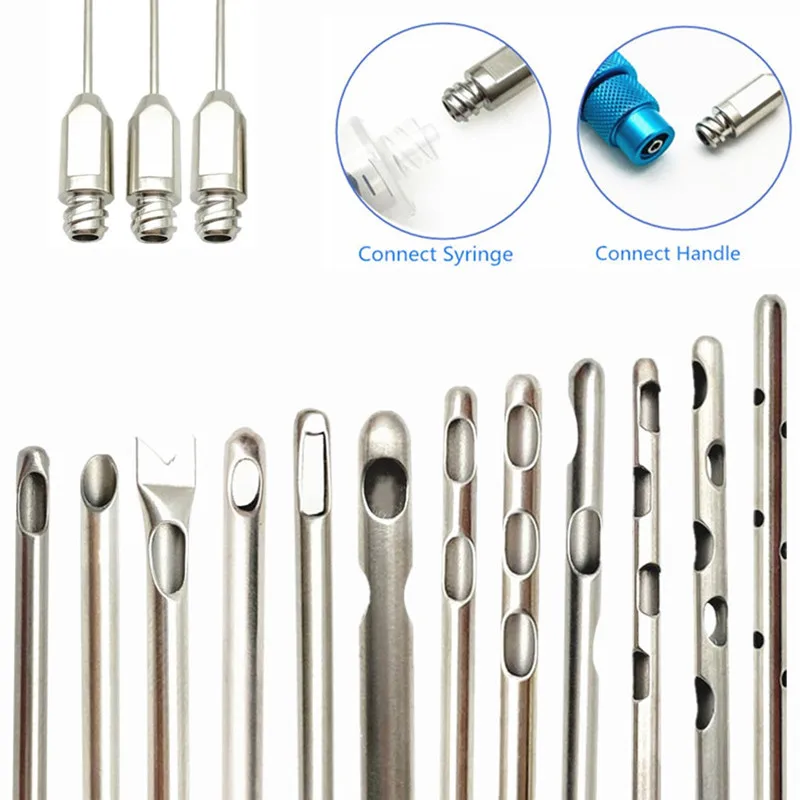
The Facelift Infiltrator Liposuction cannula is a precision-engineered instrument designed for infiltration of tumescent fluid into facial tissues before liposuction or facelift surgery. Unlike standard infiltration tools, it offers superior control, minimized trauma, and even distribution, factors that significantly influence postoperative healing.
What Makes This Cannula Unique?
- Long, slim, flexible design suitable for delicate facial planes
- Multiple small ports for even anesthetic delivery
- Reduced risk of tissue distortion
- Ideal for micro-liposuction and pre-facelift preparation
Because facial tissues are thinner and more vascular than other body areas, surgeons require infiltration instruments that deliver fluid gently and uniformly. This is where the facelift-specific cannula excels.
Evolution of Cannula Technology in Facial Surgery
Early liposuction cannulas were bulky, rigid, and intended for large-volume procedures. As facial cosmetic surgery grew in demand, engineers developed smaller, more refined instruments to match the precision required.
Key milestones include:
- Introduction of tumescent anesthesia (1980s)
- Development of micro-cannulas for delicate areas
- Emergence of controlled-flow infiltration systems
- Integration with fat transfer technologies for natural augmentation
Today’s facelift infiltrator cannulas reflect decades of refinement focused on minimizing bruising, swelling, and thermal injury.
Components & Design Features of the Facelift Infiltrator Liposuction Cannula
These cannulas typically feature:
1. Stainless Steel Medical-Grade Body
Ensures durability, corrosion resistance, and sterility.
2. Port Configuration
Ports may be:
- Linear
- Spiral
- Multi-directional
Spiral-hole designs similar to the Six Spiral Hole Cannula enhance fluid distribution without creating turbulence.
3. Ergonomic Handle
Provides comfort, control, and precision during infiltration.
4. Custom Lengths and Diameters
Common options range from 1.5mm–3mm in diameter, ideal for facial anatomy.
Comparison: Facelift Infiltrator vs Facial Tumescent Cannula vs Tumescent Infiltration Cannula
Although similar, these instruments have unique applications:
| Feature | Facelift Infiltrator Cannula | Facial Tumescent Cannula | Tumescent Infiltration Cannula |
| Designed For | Facial liposuction, facelift prep | General facial tumescent delivery | Body & facial infiltration |
| Fluid Control | Highest precision | Moderate | High |
| Port Style | Fine, closely spaced | Wider spacing | Variable |
| Trauma Level | Minimal | Low–moderate | Depends on size |
Surgeons often choose the facelift infiltrator cannula when they need maximum finesse.
How the Cannula Supports Safe Facial Liposuction
Tumescent fluid infiltration serves three essential purposes:
- Anesthesia
- Hemostasis (blood loss reduction)
- Hydrodissection (tissue separation)
The facelift infiltrator cannula improves this process by delivering fluid at a controlled rate, preventing excessive distention of tissues that could distort facial contours.
Role in Tumescent Fluid Distribution
The cannula’s small ports help:
- Reduce patient discomfort
- Lower risk of hematoma
- Maintain accuracy in liposuction zones
- Support smoother transitions between facial planes
Related Surgical Tools in Modern Fat Grafting
Modern facial rejuvenation often pairs liposuction with fat transfer, requiring additional tools such as:
- Fat Injector Cannula
- Harvesting Cannulas
- Spatula Tip Cannulas
- Spoon Tip Fat Injection Cannulas
- Toledo V Dissecting Fat Injection Cannula
- Pyramid Liposuction Cannula
These instruments support contouring, volume restoration, and refining facial definition.
Nano Fat Transfer & Nano Fat Transfer Kits
Nano fat transfer has become a leading method for facial rejuvenation because it improves skin texture, stimulates collagen, and provides natural-looking results.
Nano fat kits include:
- Filtration systems
- Emulsification tools
- Fine micro-cannulas
This technique is often combined with facelift infiltrator cannulas during multi-step facial procedures.
Clinical Applications
The Facelift Infiltrator Liposuction cannula is commonly used in:
1. Lower-Face Contouring
Jawline shaping, jowl refinement.
2. Midface Volume Correction
Supporting natural cheek transitions.
3. Neck Liposuction and Submental Sculpting
Enhances the cervicomental angle definition.
4. Facial Rejuvenation Procedures
Pairs well with deep-plane facelifts and SMAS lifting.
Case Studies & Real-World Applications
Surgeons report:
- 40–60% reduced bruising with spiral-hole designs
- More uniform fluid distribution compared to traditional cannulas
- Higher patient satisfaction due to smoother recovery
Example:
A 2023 study in facial plastic surgery compared infiltration techniques and found that dedicated facelift cannulas significantly improved result symmetry and reduced postoperative complications.
Benefits
- Exceptional precision
- Safer infiltration
- Better aesthetic outcomes
- Compatibility with advanced fat grafting tools
- Lower trauma to tissues
Potential Drawbacks
- Requires training to master
- More expensive than general cannulas
- Slower infiltration speed for beginners
- Not ideal for large-volume procedures
How to Choose the Right Cannula
Consider:
- Port geometry (spiral, linear, multi-port)
- Cannula length & diameter
- Handle design
- Compatibility with infiltration pumps
Popular Cannula Comparisons
| Cannula Type | Best Use Case |
| Spatula Tip | Sculpting & shaping |
| Spoon Tip | Fat micro-injection |
| Toledo V Dissector | Precision fat placement |
| Six-Spiral Hole | Even infiltration |
| Pyramid Cannula | Aggressive yet controlled suction |
Sterilization & Safety
Follow:
- AAMI & CDC sterilization guidelines
- High-temperature autoclave cycles
- Inspection protocols for micro-fissures
Frequently Asked Questions
1. What is a Facelift Infiltrator Liposuction Cannula used for?
It delivers tumescent fluid during facial liposuction or before facelift procedures.
2. Is it different from a standard tumescent cannula?
Yes, it’s more precise and developed specifically for facial anatomy.
3. Does this cannula reduce bruising?
Studies suggest significant reductions due to controlled infiltration.
4. What sizes are most commonly used?
Between 1.5mm–3mm, depending on the patient’s anatomy.
5. Can it be used with nano fat transfer?
Absolutely, these procedures often complement each other.
6. Are these cannulas reusable?
Yes, if properly sterilized using validated medical protocols.
Conclusion + CTA
The Facelift Infiltrator Liposuction cannula has become an essential instrument in modern facial cosmetic surgery. Its precision, gentle infiltration, and compatibility with advanced fat-transfer techniques make it invaluable for achieving natural, harmonious aesthetic results.