
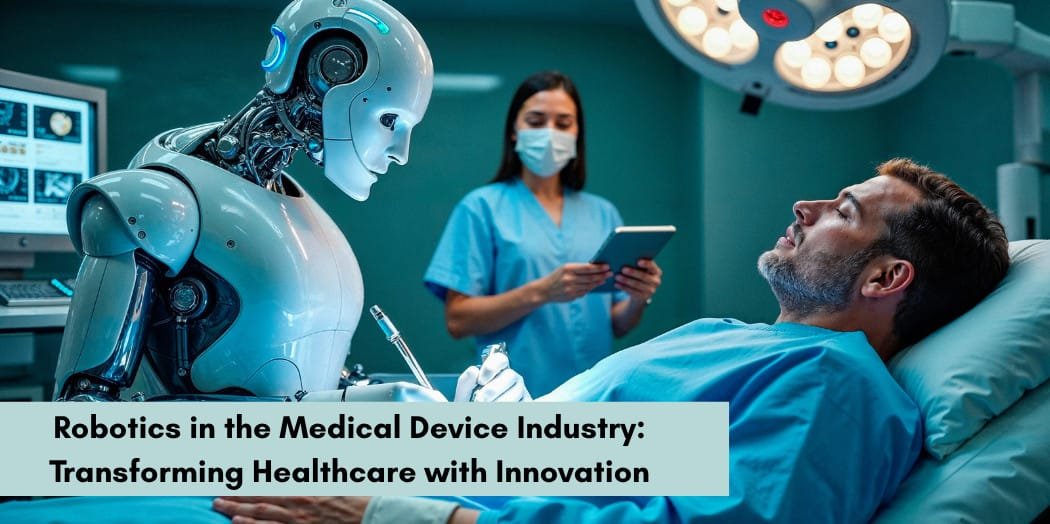
In recent years, the medical device industry has undergone a remarkable transformation, with robotics emerging as one of the most revolutionary technologies. From enhancing surgical precision to improving patient recovery times, robotics is reshaping modern healthcare. For a medical device company in India, investing in robotic innovations not only ensures global competitiveness but also drives better healthcare outcomes for patients.
This article explores how robotics is integrated into the medical device sector, its applications, benefits, challenges, and the future outlook—highlighting why India is becoming a promising hub for these advancements.
The Rise of Robotics in Healthcare
Robotic technology has advanced rapidly, finding applications across multiple healthcare disciplines. Initially used in highly complex procedures, robotics is now expanding into diagnostics, rehabilitation, and even home-based care devices.
Global healthcare systems are increasingly relying on medical devices powered by robotics to:
- Minimize surgical risks
- Enhance accuracy and efficiency
- Reduce human error
- Deliver better patient experiences
For India, with its growing healthcare demands and expanding population, robotics presents an opportunity to bridge gaps in accessibility, affordability, and quality of care.
Applications of Robotics in the Medical Device Industry
Robotic Surgery
Surgical robotics is perhaps the most well-known application. Systems such as robotic-assisted laparoscopic devices help surgeons perform minimally invasive procedures with greater precision, reduced blood loss, and faster recovery times. For example, gynecological, cardiac, and urological surgeries have benefited significantly from robotic-assisted devices.
Diagnostic Robotics
Advanced imaging and diagnostic tools now integrate robotics to improve speed and accuracy. Robotic arms in diagnostic imaging machines ensure consistent positioning, leading to better-quality results and improved diagnosis.
Rehabilitation Robotics
Devices such as robotic exoskeletons and prosthetics are empowering patients with mobility challenges. These devices provide physical therapy support, enabling faster recovery and improved quality of life.
Robotics in Medical Manufacturing
The production of high-quality medical devices demands precision. Robotics in manufacturing enhances quality control, ensures consistency, and supports large-scale production with minimal error.
Telemedicine and Remote Care
Robotics is also playing a role in telehealth. From remote-controlled robots that assist doctors during consultations to automated drug dispensers in hospitals, the applications are growing rapidly.
Benefits of Robotics in the Medical Device Sector
The adoption of robotics in healthcare devices is not just about advanced technology, it brings measurable benefits for all stakeholders.
For Patients: Less invasive procedures, reduced pain, quicker recovery, and fewer complications.
For Surgeons and Healthcare Providers: Greater precision, reduced fatigue, enhanced visualization during surgeries, and improved efficiency.
For Hospitals: Shorter patient hospital stays, lower chances of readmission, and higher patient satisfaction rates.
For Manufacturers: Improved product quality, reduced errors in production, and faster time-to-market for devices.
For a medical device company in India, these benefits also translate into stronger brand credibility, higher adoption rates, and opportunities for global expansion.
Challenges in Adopting Robotics
While the advantages are clear, integrating robotics into the medical device industry comes with challenges:
High Costs – Robotic devices and systems are expensive to develop, purchase, and maintain, making affordability a concern in cost-sensitive markets like India.
Training Requirements – Surgeons and healthcare professionals require specialized training to operate robotic devices effectively.
Regulatory Compliance – Strict international standards for safety, performance, and approvals must be met.
Accessibility – Ensuring robotic healthcare devices reach rural and underserved regions remains a challenge.
Overcoming these challenges requires collaboration between technology innovators, healthcare institutions, and policymakers.
The Role of Medical Device Companies in India
India is rapidly emerging as a hub for medical technology and innovation. Several medical device companies in India are now focusing on robotics to strengthen their portfolio and expand their global presence.
Key factors driving this growth include:
- A robust talent pool of engineers and medical professionals.
- Government initiatives such as “Make in India” promoting domestic medical manufacturing.
- Rising demand for advanced healthcare solutions in both urban and rural areas.
- Increased foreign investment and global partnerships in the Indian healthcare sector.
By leveraging robotics, Indian medical device manufacturers can produce cost-effective yet world-class solutions, making healthcare accessible while competing internationally.
Future of Robotics in the Medical Device Industry
The future looks promising, with robotics expected to play an even bigger role in the medical device sector. Trends shaping the future include:
AI Integration: Combining robotics with artificial intelligence for smarter, self-learning devices.
Personalized Care: Robotic devices customized for individual patients’ anatomy and needs.
Wearable Robotics: Growth of assistive devices and exoskeletons for rehabilitation and elderly care.
Global Expansion: Indian companies exporting robotic medical devices to international markets.
As the industry grows, robotics will become more affordable and accessible, benefiting millions of patients worldwide.
Conclusion
Robotics has revolutionized the medical device industry, offering unmatched precision, efficiency, and innovation. From surgical procedures to rehabilitation, diagnostics, and manufacturing, its impact is profound. For a medical device company in India, embracing robotics is no longer optional, it is essential to stay competitive and meet the rising healthcare demands of the future.
With continued investment in technology, training, and infrastructure, India has the potential to lead the global medical robotics space, delivering high-quality healthcare solutions at scale.