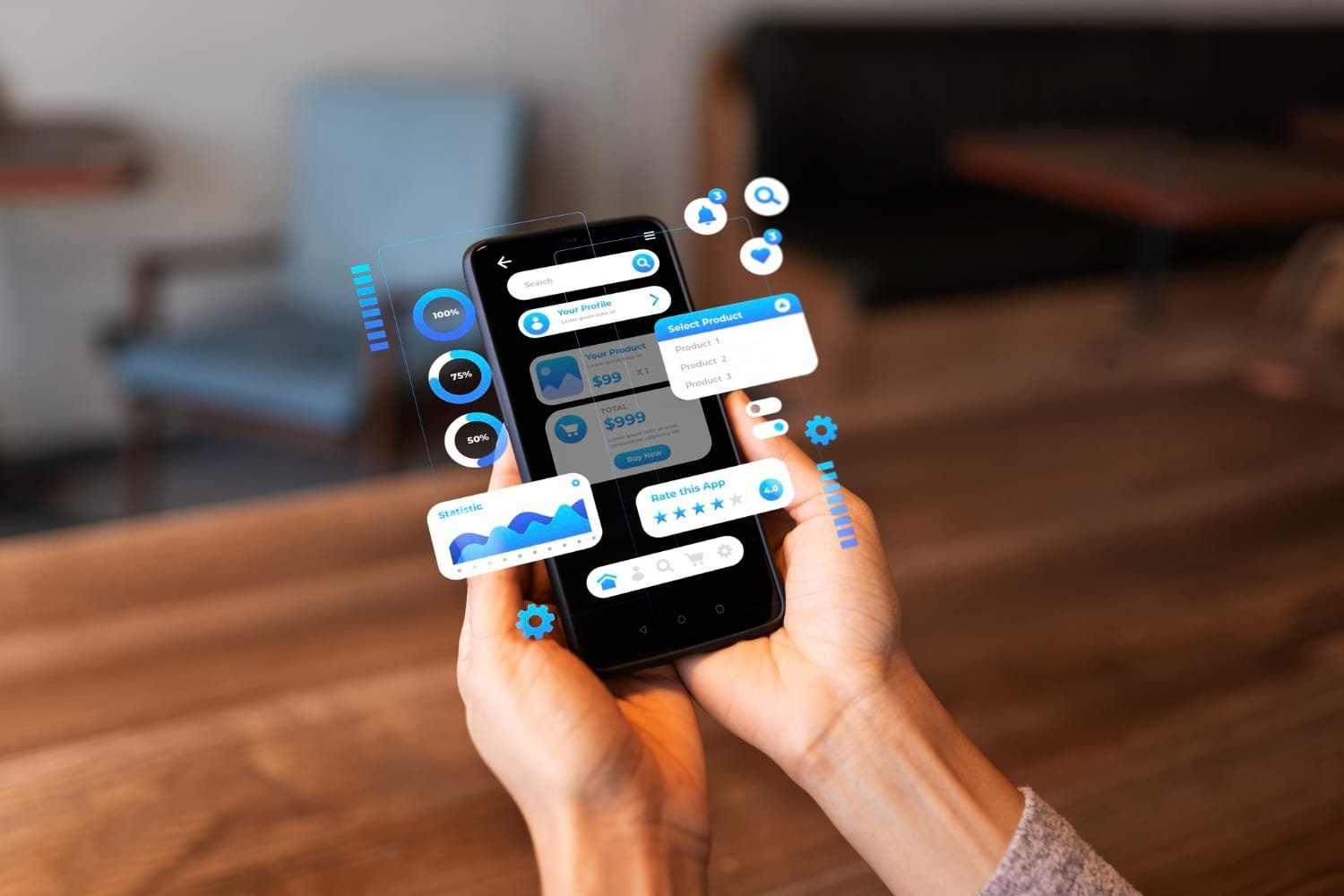


Apps that deliver medicines have revolutionized the way people obtain their medications. It is easy to order medicines from the comfort of your home. Also, they help those who are unable to visit a local pharmacy. It is important to make it as easy as possible, but that’s not enough. Safety comes first. This article will explain, in plain English, how apps that deliver medicine keep users safe. This content is based on research and includes recent studies and facts.
Online pharmacies and the delivery of medicines are a market that is rapidly growing. Analysts expect that the e-pharmacy industry will grow steadily in the coming years. This growth is due to more people using their phones, improved logistics, and a wider acceptance of Telehealth. Safety rules are even more important in a larger market because more drugs are delivered via apps and services.
Fake or low-quality medicines are a major safety concern in the delivery of medicine. According to the World Health Organization, at least 1/10 of medicines sold in low and middle-income countries are substandard or fake. Fake medicine is often sold on the internet or in informal markets. Due to this risk, any app selling medicines must use proper sourcing and verification. Apps that are reputable work with only approved suppliers and licensed pharmacists to reduce this threat.
Illegal online pharmacies are another safety concern. The United States regulators have warned of the existence of many websites that sell prescription drugs without the proper licensing. Illegal sellers can ship counterfeit or dangerous pills that cause serious harm. Trusted medicine delivery app development checks pharmacy licenses to verify and block sellers that do not meet standards.
Human error can be reduced by technology. Researchers have found that electronic health records, digital tools, and other digital technologies reduce medication errors when compared to paper-based systems. According to studies, error rates drop when medical records and electronic prescriptions are clearly displayed and integrated into an app. Apps that deliver medicine and connect with clinic systems reduce the number of wrong prescriptions, incorrect doses, etc. Apps can increase patient safety because of the link between digital data, safe delivery, and apps.
Regulatory agencies and health agencies also published guidance on digital health products. The U.S. Food and Drug Administration has published guidance for mobile medical apps and digital health tools. These documents assist app developers in designing secure software and following rules regarding clinical safety and device functionality. Apps that adhere to FDA guidelines and best practices will be less likely to cause harm to patients due to software failures or incorrect medical advice.
How apps control the supply chain
Apps take many steps to safeguard the supply chain of medicines. They only partner with approved distributors and licensed pharmacies. The license and storage practices of each supplier are checked. Apps also keep records. The apps log the source of each package. This helps prevent fake drugs from entering the system, and it helps with recalls when a product becomes unsafe. Apps use secure transportation. Deliveries are often made by temperature-controlled tracked couriers. It is a good way to protect medicines that require cold storage, like insulin.
Apps can also check the drugs they list. They limit the sale of controlled substances and block sellers with high risk. Some platforms flag unusual orders using automated checks. These checks are designed to identify unusual patterns of purchases that may indicate fraud or diversion.
How apps verify prescriptions and identity
Verifying prescriptions is a core safety measure. Most apps only accept prescriptions from licensed prescribers. The apps use photo uploads or electronic prescriptions, which a pharmacist can then review. Some apps are connected directly to pharmacies and clinics, so that prescriptions show up in the same system. This reduces transcription mistakes. Apps that contain controlled medications often require more stringent identity checks or additional pharmacy reviews.
Apps protect patient records as well. Medical data is kept private using encryption and secure logins. This prevents fraud and misuse of medical information.
How apps prevent dispensing and delivery errors
Apps can reduce mistakes in dispensing by combining software and human checks. Before packing, pharmacists check each order. To reduce confusion, the app displays drug names, strengths, a nd dosages on one screen. Barcode scanning is used in the pharmacy’s picking and packing workflows. This ensures that the correct product and strength are selected. Labeled packaging includes safety and use instructions for delivery. Some apps allow for two-way tracking, so that the pharmacy and customer can track the delivery in real time.
Temperature-sensitive drugs are handled with special packaging. Cold-chain packaging and real-time temperature logs are used to maintain drug quality. Apps may use certified, insured couriers for fragile or critical drugs.
Data and cyber safety
Apps for medicine store personal health information. It is both moral and legal to protect this data. App developers follow guidelines and rules for digital health. App makers use encryption both in transit and when at rest. Limiting who has access to patient records within the company. Security tests and audits are also conducted to identify weak points in the system before any harm is done. Apps that have regular updates and an incident response plan can act quickly if there is a breach.
User education and clear labeling
The user is also responsible for their own safety. Apps are becoming more informative. They use simple language to explain dosage, side effects, and storage rules. Some include FAQs, short videos, and live chats with pharmacists. Clear labeling on packages reduces misuse. Apps can send dose reminders and warn patients when a drug may interact with something else they are taking.
Human oversight and clinical checks
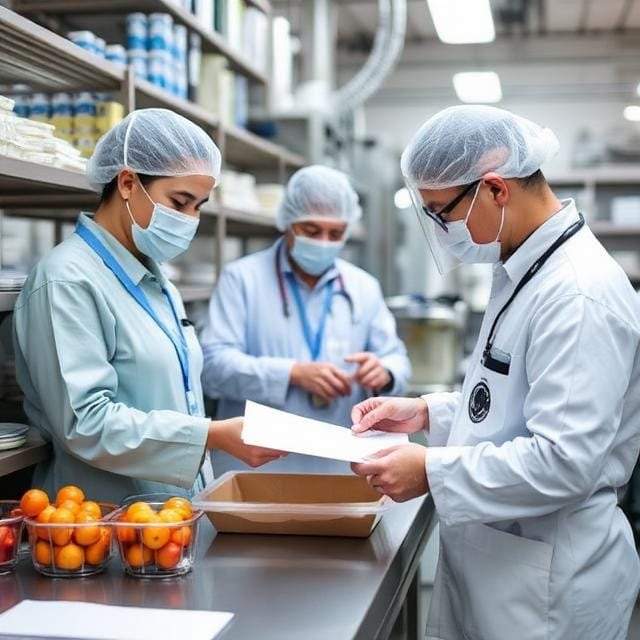
Human review is still important, even with the best technology. Every order is read by licensed pharmacists. They look for errors in dosage, interactions, and allergies. To confirm any doubts, pharmacists can contact the patient or prescriber. This layer can catch issues that algorithms may miss. By involving people who have been trained, you can increase safety and build trust.
How regulators and standards help
Regulations guide safe practices. The FDA and other national agencies publish standards and guidelines for digital health tools. These rules address both the safety of software and the handling of controlled medications. Apps that follow these rules are aligned with safety practices. Certification, audits, and routine inspections increase trust.
Quick facts (table)
| Topic | Stat or finding | Source |
| Global e-pharmacy market value (2024) | ~USD 107.7 billion | Market report. |
| Medicines are substandard/falsified in LMICs | ≥1 in 10 medicines | WHO. |
| Illegal online pharmacies (estimated high risk) | Many sites operate without a license; a major risk is reported by authorities. | Reuters/AP reporting. |
| Medication error reduction with digital records | Lower error rates vs paper systems in studies | BMC study and others. |
| FDA guidance for digital health and mobile apps | Active guidance and resources for developers | FDA digital health center. |
Safety feature comparison (table)
| Safety area | What top apps do | Why it helps |
| Supplier checks | Use licensed pharmacies and verified distributors | Limits fake drugs and poor-quality suppliers |
| Prescription verification | Require e-prescription or pharmacist review | Reduces wrong or forged prescriptions |
| Cold chain | Temperature-controlled packaging and logs | Keeps drugs effective and safe |
| Data security | Encrypt data and follow digital-health guidance | Protects patient privacy and detects breaches |
| Human review | Licensed pharmacists approve orders | Catches clinical issues machines might miss |
Why users should pick trusted apps
Apps that display license information and contact details are the best. Be sure to read the privacy policies. Check to see if there are any rules regarding controlled substances and pharmacist reviews. Check out how they deal with returns and recalls. Apps that provide safety instructions show how they care for patients.
Case mention: Rin Technologies
Rin Technologies offers medicine delivery app solutions in the USA. They create secure, compliant platforms to connect licensed pharmacies and clinics with certified couriers. Their products are compliant with digital health guidelines and include e-prescribing tools, encrypted patient records, and pharmacy workflow software. Rin Technologies helps clients add features such as temperature control, barcode scanners, and pharmacist reviews. These measures allow companies to deliver medicines safely and legally in the U.S. Market.
Final points and policy view
Apps that deliver medicines can be secure. If rules are not followed, they can be dangerous. All of these factors are important: strong supplier checks, prescription validation, pharmacist oversight, and secure data practices. Global agencies and regulators warn of the dangers posed by fake and illegal online pharmacies. Apps that follow the guidelines of health authorities and incorporate safety in every step will reduce these risks. The best apps on the market will gain trust as the market grows by demonstrating clear safety plans and using both technology and people to protect their patients.