
Understanding when to consult a liver specialist is very important for maintaining good long-term health. Many people ignore early liver-related symptoms because they seem minor or temporary. But the liver is one of the most important organs in the body, and any issue with it can slowly affect overall wellness. This is why early awareness, timely evaluation, and proper care are essential.
If you are searching for guidance on liver-related problems or want to know when it is the right time to seek help from a specialist, this detailed guide will help. In the first or second paragraphs, we will also mention the targeted keyword hepatologist dubai to support your search and understanding.
Introduction: Understanding the Role of a Hepatologist
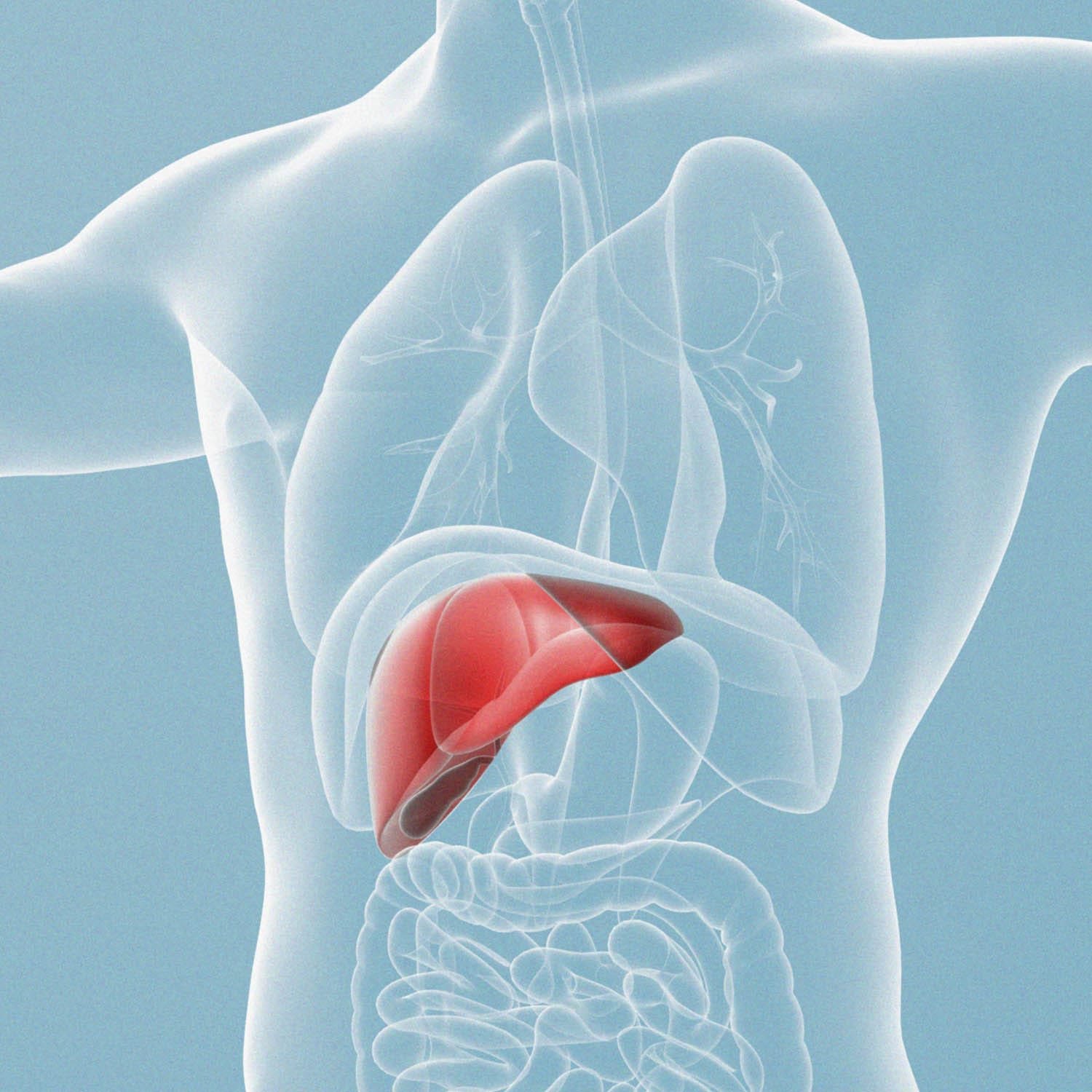
A hepatologist is a doctor who specializes in diagnosing and treating liver, gallbladder, biliary tract, and pancreas conditions. These organs play a major role in digestion, metabolism, detoxification, and maintaining overall body balance. When something goes wrong with the liver or nearby organs, the symptoms are often slow, hidden, or confusing.
If you are experiencing long-lasting digestive discomfort, unexplained fatigue, or symptoms that point toward liver issues, consulting a hepatologist Dubai is often the best next step. Early evaluation from a liver specialist can prevent long-term complications and ensure that problems are treated before they become serious.
Why Liver Health Should Never Be Ignored
The liver performs more than 500 functions in the body. It helps break down food, stores nutrients, removes toxins, supports immunity, manages hormones, and regulates energy levels. If the liver starts to struggle, the impact spreads across many parts of the body.
Common reasons people ignore early liver symptoms include:
-
Mild discomfort that comes and goes
-
Believing it’s just acidity or indigestion
-
Lack of awareness about liver diseases
-
Thinking liver problems only affect older adults or heavy drinkers
-
Fear of medical tests
But the truth is, liver problems can affect people of all ages, including those with no risky habits. Early diagnosis makes treatment much simpler, safer, and more effective.
Read also: How Technology Is Transforming Modern Healthcare in 2025
Key Symptoms That Suggest You Should Consult a Hepatologist
Knowing the signs of liver-related issues can help you take action quickly. Here are common symptoms that mean you should not delay consulting a specialist:
1. Persistent Fatigue
If you feel tired all the time, even after good sleep, it may be related to reduced liver function. A struggling liver cannot filter toxins properly, making the body feel heavy and exhausted.
2. Abdominal Pain or Discomfort
Pain on the upper right side of the abdomen is a common sign of liver swelling or inflammation. If this pain keeps returning, it should be checked by a hepatologist.
3. Yellowing of Skin or Eyes (Jaundice)
Jaundice is one of the clearest signs of a liver problem. It happens when bilirubin levels rise due to liver dysfunction. Immediate medical attention is needed.
4. Dark Urine and Pale Stools
These changes in color indicate that the liver or bile ducts may not be functioning normally. This is often seen in cases of hepatitis, gallstone blockage, or bile duct problems.
5. Swelling in Legs or Abdomen
Fluid buildup in the body — especially in the legs (edema) or the stomach area (ascites) — may indicate advanced liver conditions.
6. Loss of Appetite or Unexplained Weight Loss
Sudden changes in appetite or weight can be linked to liver stress or infection.
7. Itchy Skin
Chronic itching without any obvious skin issue may be caused by bile accumulation due to liver dysfunction.
8. Nausea, Vomiting, or Digestive Problems
Frequent digestion issues can be related to poor liver function because the liver produces bile that helps break down food.
When Should You Take These Symptoms Seriously?
Some symptoms may appear mild at first. But you should take them seriously if:
-
They last for more than two weeks
-
They come and go repeatedly
-
They start affecting daily routine
-
They happen along with fatigue, poor appetite, or stomach discomfort
-
You have a family history of liver disease
Early medical evaluation can prevent severe complications like cirrhosis, liver failure, or chronic hepatitis.
Common Conditions That Require a Hepatologist
A hepatologist treats many types of liver-related conditions. Understanding these can help you identify when specialist care is needed.
1. Fatty Liver Disease
This is one of the most common liver problems in Dubai due to lifestyle factors, high sugar intake, stress, and lack of exercise. Fatty liver can be:
-
Non-Alcoholic Fatty Liver Disease (NAFLD)
-
Alcohol-Related Fatty Liver
If not treated early, fatty liver can progress to inflammation and scarring.
2. Hepatitis (A, B, C, E)
These viral liver infections need proper diagnosis and treatment. Some forms of hepatitis can become chronic and lead to serious damage.
3. Cirrhosis
This is a late-stage liver disease where healthy liver tissue becomes scarred. It requires long-term management and regular monitoring by a hepatologist.
4. Gallbladder and Bile Duct Disorders
Gallstones, bile duct blockages, and inflammation of the gallbladder can cause severe pain and liver dysfunction.
5. Liver Cysts and Tumors
Both benign (non-cancerous) and malignant (cancerous) liver growths require specialist evaluation.
6. Genetic or Metabolic Liver Diseases
Conditions like Wilson’s disease, hemochromatosis, and autoimmune hepatitis must be diagnosed early and managed by a liver specialist.
7. Liver Failure
Sudden or long-term liver failure requires urgent attention and specialized treatment.
People Who Should Consult a Hepatologist Even Without Symptoms
Some individuals should undergo routine screening even if they feel healthy:
1. People With Diabetes or Obesity
There is a strong link between metabolic issues and fatty liver disease.
2. Those With High Cholesterol or High Blood Pressure
These conditions often come with silent liver problems.
3. Individuals Who Consume Alcohol Regularly
Even moderate consumption can impact liver health over time.
4. Family History of Liver Disease
Genetic factors can increase risk.
5. People With Autoimmune Conditions
These may trigger inflammation in the liver or bile ducts.
6. Long-Term Use of Certain Medications
Some medications can stress the liver, requiring monitoring.
7. People With Digestive Disorders
Chronic digestion issues may sometimes be linked to the liver or gallbladder.
What to Expect During a Hepatology Consultation
Visiting a hepatologist is simple and usually involves:
1. Detailed Medical History Discussion
The doctor will ask about symptoms, lifestyle, diet, alcohol intake, medications, and any previous health issues.
2. Physical Examination
This includes checking the abdomen, skin, and eyes for early signs of liver stress.
3. Lab Tests
Blood tests help evaluate liver enzymes, bilirubin levels, and overall liver function.
4. Imaging Tests
Depending on symptoms, the specialist may recommend:
-
Ultrasound
-
CT scan
-
MRI
-
FibroScan for checking liver stiffness
5. Treatment Plan
Based on the findings, the hepatologist will create a simple and clear treatment plan, which may include:
-
Lifestyle and diet changes
-
Medications
-
Regular monitoring
-
Procedures if needed (for gallstones, blockages, etc.)
How Early Diagnosis Can Change Everything
One of the biggest advantages of consulting a hepatologist early is prevention. Liver diseases often progress quietly, and symptoms appear only when the condition becomes advanced. Early diagnosis helps:
-
Avoid complications
-
Protect long-term health
-
Control diseases like fatty liver and hepatitis
-
Improve overall energy and digestion
-
Reduce risk of liver failure
-
Maintain better quality of life
Liver-Friendly Habits to Support Your Health
Even before or after consulting a hepatologist, adopting simple habits can significantly improve liver health:
-
Drink plenty of water
-
Reduce sugary and fried foods
-
Avoid excess alcohol
-
Maintain a healthy body weight
-
Exercise regularly
-
Eat more fruits, vegetables, and fiber
-
Limit processed foods
-
Avoid unnecessary medications
-
Get vaccinated for hepatitis if recommended
These everyday habits can protect your liver and reduce chances of complications.
Conclusion
Knowing when to consult a hepatologist is one of the best steps you can take for lifelong liver health. Whether you are experiencing symptoms, have risk factors, or simply want peace of mind, getting professional guidance can make a big difference.
If you notice ongoing fatigue, digestive problems, yellowing of the eyes, changes in urine or stool color, or swelling in the body, it is better not to wait. A timely consultation can help identify problems early and ensure effective treatment.
For expert evaluation and personalized guidance, you may consider consulting Dr. Neil Philip Galletly, who can help diagnose and manage various liver-related conditions using a careful and patient-focused approach.